 Prebiotics and Probiotics: What’s the Difference?
If you’ve ever wandered down the supplement aisle or scrolled through wellness blogs, you’ve likely seen prebiotics and probiotics mentioned side-by-side. They sound similar, but they play very different—yet equally important—roles in your gut health. Think of them as teammates: one is the gardener, and the other is the seeds.
Probiotics: The Good Bacteria
Probiotics are live, beneficial bacteria that support a healthy gut microbiome. Your digestive system naturally contains trillions of microorganisms, and probiotics help maintain the right balance of these bacteria.
Why they matter:
Support digestion and nutrient absorption
Boost immune system function
May improve mood and mental well-being
Help manage bloating, gas, and other digestive discomforts
Sources of probiotics:
Prebiotics: The Food for the Good Bacteria
Prebiotics are non-digestible fibers that act as fertilizer for your good gut bacteria. They feed and support the growth of probiotics so those beneficial microbes can thrive and do their job.
Why they matter:
Promote a healthy gut microbiome
Improve regularity and bowel health
Support immune function indirectly through gut health
Enhance the absorption of minerals like calcium and magnesium
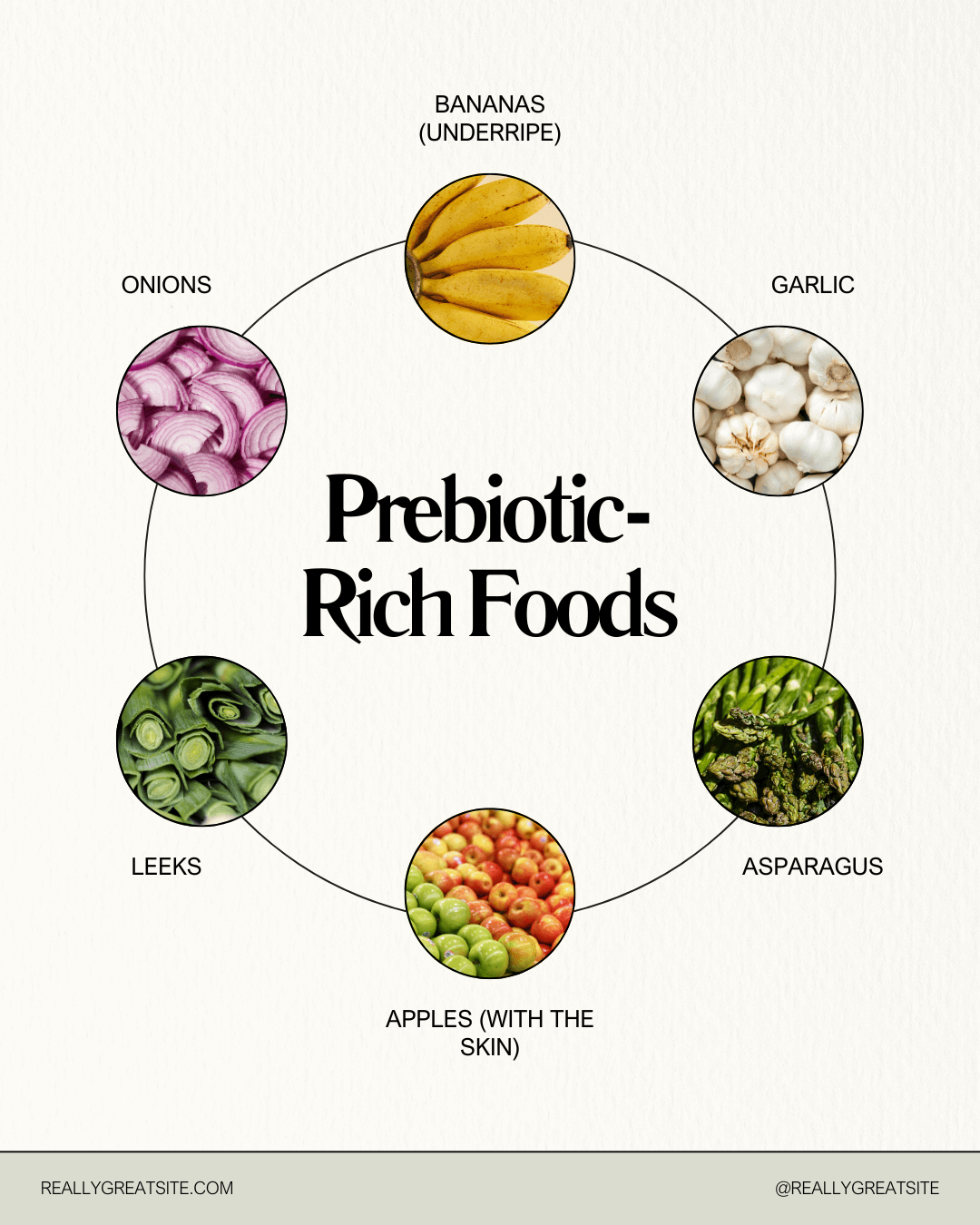
Sources of prebiotics:
Garlic
Onions and leeks
Asparagus
Bananas (especially slightly green ones)
Chicory root and Jerusalem artichokes
Prebiotic fiber supplements
How They Work Together
Probiotics introduce the good bacteria, and prebiotics feed them. Without prebiotics, probiotics won’t thrive long-term. Without probiotics, prebiotics don’t have beneficial bacteria to nourish.
Think of it like planting a garden:
Tips for Better Gut Health
Eat a variety of fiber-rich foods—it’s the best way to naturally get prebiotics.
Incorporate fermented foods regularly to supply probiotics.
Stay hydrated—fiber works best when you drink enough water.
Manage stress—your gut and brain are deeply connected.
Consider a supplement if you’re not meeting your needs through diet alone.
Prebiotics and probiotics aren’t the same—but they’re both essential for a healthy, balanced gut. By including both in your diet, you can help keep your digestion smooth, your immune system strong, and your overall well-being thriving from the inside out.
xoxoxo
Lisa