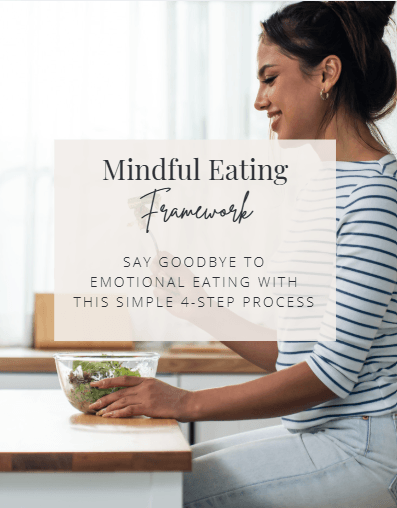
 Mindful Eating: How to Be Present with Food
We live in a world that asks us to do everything at once. We answer emails while we eat lunch, scroll our phones over breakfast, and finish dinner standing at the counter before our brain has even registered that the meal began. Food has become something we get through rather than something we experience.
Mindful eating invites you to do the opposite. It's the practice of bringing your full attention to the experience of eating — the flavors, the textures, the way your body feels before, during, and after a meal. It isn't a diet, and it has no rules about what you can or can't eat. It's simply a way of being present with your food, and over time, it can transform your relationship with eating altogether.
What Mindful Eating Actually Is
At its core, mindful eating is about awareness. Instead of eating on autopilot, you slow down enough to notice what's happening — both on your plate and inside your body.
That means tuning into your physical hunger and fullness cues rather than eating because the clock says it's noon or because there's still food left on the plate. It means noticing the difference between true hunger and the urge to eat out of boredom, stress, or habit. And it means giving yourself permission to genuinely enjoy your food without guilt riding shotgun.
This is a meaningful shift away from the all-or-nothing thinking that so many of us have absorbed over the years. Mindful eating isn't about willpower or strict control. It's about reconnecting with the signals your body has been sending all along.
Why It Matters
When you eat mindfully, you give your body the chance to do what it's designed to do: tell you when it's had enough.
It takes about twenty minutes for your brain to register fullness. When you eat quickly and distractedly, you can easily blow past that signal before it ever arrives. Slowing down closes that gap, which often means you naturally feel satisfied with less — not because you're restricting, but because you're actually listening.
Beyond the physical benefits, mindful eating tends to ease the anxiety and guilt that surround food for so many people. When eating becomes a calm, present-moment experience rather than a source of stress, the whole relationship softens. Meals become something to look forward to instead of something to negotiate.
Simple Ways to Start Being Present with Food
You don't need to overhaul your entire life to eat more mindfully. Start small, with one meal or even a few bites at a time.
Pause before you begin. Take a breath before your first bite. Notice the colors and aromas on your plate. This tiny moment of acknowledgment signals to your body that a meal is starting.
Put the distractions away. Try eating without your phone, the TV, or your laptop for one meal a day. It can feel surprisingly uncomfortable at first — and that discomfort is exactly the noise mindful eating helps you turn down.
Slow down between bites. Set your fork down while you chew. Notice the flavors and textures. There's no rush, and your food will taste better for it.
Check in with your hunger. Before you eat, ask yourself how hungry you actually are. Halfway through, pause and check again. You're not looking for a "right" answer — just information about what your body needs.
Eat what you enjoy, without judgment. Mindful eating includes the foods you love. A square of chocolate eaten slowly and savored is a far better experience than half a bar eaten distractedly and followed by guilt.
When It Feels Hard
If slowing down feels awkward or even frustrating at first, you're not doing it wrong. Most of us have spent years eating on the move, and unlearning that takes time and gentleness.
Some meals will be mindful and some won't, and that's completely okay. A grab-and-go lunch on a busy day doesn't undo your progress. Mindful eating isn't another standard to live up to perfectly — it's a practice you return to, again and again, with curiosity rather than criticism.
And if you notice that food brings up bigger emotions — that eating feels heavily tied to stress, anxiety, or your sense of self-worth — that's worth paying attention to with kindness. Support from a registered dietitian, counselor, or other professional can make a real difference, and reaching out is a sign of strength, not failure.
Start Where You Are
You don't have to get this perfect. You just have to begin. The next time you sit down to eat, try pausing for one breath before your first bite. Notice one flavor. Set your fork down once.
That's it. That's mindful eating. From there, you build slowly, one present moment at a time — and you may be surprised how much more nourishing your food feels when you're actually there to experience it.
Looking for support in building a healthier, more intuitive relationship with food and movement? That's exactly what I'm here for — let's connect.
xoxo
Lisa